Designing the Perfect Counselling Room for Therapy
Creating a space where healing and growth can happen is a powerful responsibility. When you design your therapy space, you set the tone for every session. How do you make sure your clients feel safe, supported, and comfortable? What elements help foster trust and openness? I want to guide you through designing a therapy space that truly supports the work you do.
Why Therapy Space Design Matters
Have you ever walked into a room and instantly felt calm or uneasy? The environment affects how you feel and how open you can be. In therapy, this is even more important. Your therapy space design can either invite connection or create barriers.
Think about the colors on the walls. Soft, warm tones like gentle blues, greens, or earth tones can soothe the mind. Harsh whites or bright reds might feel too clinical or overwhelming. Lighting also plays a big role. Natural light is ideal, but if that’s not possible, use soft, warm lamps instead of harsh fluorescents.
Comfortable seating is essential. You want your clients to feel physically at ease so they can focus on their emotions. Chairs with soft cushions and supportive backs work well. Avoid stiff or overly formal furniture that might make people feel on edge.
Adding personal touches like plants, artwork, or textured rugs can make the space feel welcoming and less sterile. These small details show you care about the environment where healing happens.
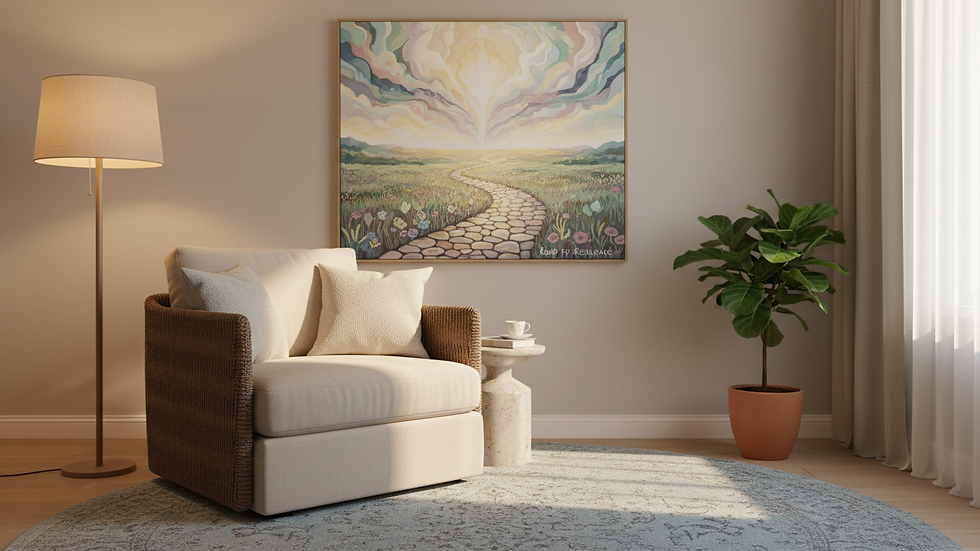
How does a counselling room look like?
Imagine walking into a room designed specifically for therapy. What do you see? The layout is simple and uncluttered. Two comfortable chairs face each other, positioned at a respectful distance. A small table between them holds tissues and a water pitcher.
The walls are painted in calming shades, maybe a soft sage green or a muted beige. A few pieces of art hang on the walls—nature scenes or abstract shapes that invite reflection without distraction. A large window lets in natural light, softened by sheer curtains.
The floor has a plush rug that adds warmth and muffles footsteps. A few plants sit in corners, bringing life and fresh air into the room. The temperature is just right—not too cold or hot.
This space feels safe. It invites you to sit down, breathe, and share what’s on your mind. It’s a place where you can be vulnerable without fear of judgment.

Practical Tips for Creating Your Therapy Space Design
You might wonder where to start. Here are some actionable steps to help you design a therapy space that works:
Choose calming colors: Stick to soft, neutral tones. Avoid bright or overly dark colors.
Prioritize comfort: Invest in good chairs and cushions. Your clients will appreciate it.
Control lighting: Use lamps with warm bulbs. If possible, maximize natural light.
Add natural elements: Plants or natural wood furniture can create a grounding atmosphere.
Keep it simple: Avoid clutter. A clean, organized space feels more peaceful.
Consider privacy: Soundproofing or white noise machines help protect confidentiality.
Personalize thoughtfully: Include art or objects that feel welcoming but not distracting.
Maintain cleanliness: A tidy space shows respect and professionalism.
Remember, your therapy space design should reflect your style but always keep the client’s comfort and safety first.
How to Use Your Counselling Room Effectively
Once your space is ready, how do you make the most of it? The way you arrange and use your counselling room can enhance the therapeutic process.
Seating arrangement: Position chairs so you and your client can maintain eye contact without feeling too close. Avoid sitting directly across a desk, which can feel formal or confrontational.
Minimize distractions: Turn off phones and close doors. A quiet environment helps clients focus.
Use soft background sounds: Gentle music or white noise can help some clients relax.
Offer small comforts: Water, tissues, or a blanket can make clients feel cared for.
Be mindful of temperature: Adjust heating or cooling to keep the room comfortable.
Create a welcoming entry: The first impression matters. A clean, inviting entrance sets the tone.
These small actions show your clients that you value their comfort and privacy.

Supporting Healing Through Thoughtful Design
Designing your therapy space is more than decoration. It’s about creating a sanctuary where healing can begin. When you put care into your therapy space design, you send a message: You are safe here. You are valued. You can grow.
If you’re looking for a professional space to rent that supports this kind of environment, consider options that offer privacy, comfort, and flexibility. A well-designed space can help you focus on what matters most - supporting your clients on their journey to resilience.
Remember, your therapy space is a tool. Use it to foster trust, encourage openness, and empower change. You’re creating more than a room - you’re creating a place of hope.
Taking the Next Step in Your Therapy Space Journey
Are you ready to transform your therapy space? Start small. Change one thing at a time. Maybe add a plant or switch to softer lighting. Notice how these changes affect your sessions.
If you want a space that’s already designed with care, explore professional options that meet your needs. A thoughtfully designed space can make a big difference in your work and your clients’ experience.
You’re not alone in this. Creating the perfect therapy space is a process. Be patient with yourself. Each step you take brings you closer to a room where healing truly happens.
Your clients deserve a space that supports their growth. And you deserve a space that supports your passion for helping others. Together, you can build that space - one thoughtful choice at a time.


Comments