Managing Anxiety with Virtual Therapy: Your Path to Calm and Control
Anxiety can feel overwhelming. You might find yourself caught in a cycle of worry, restlessness, or even physical symptoms like a racing heart. But you are not alone, and there are ways to manage these feelings effectively. One powerful option is virtual therapy. It offers you support and tools right from the comfort of your home. Let’s explore how this approach can help you regain control and find peace.
How Anxiety Virtual Therapy Supports You
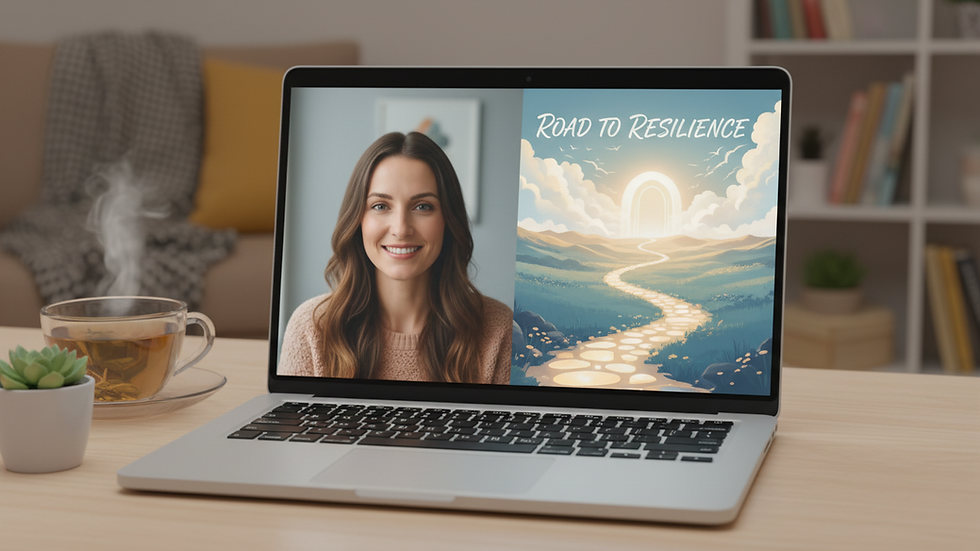
Have you ever wondered if therapy could fit into your busy life? Virtual therapy makes it possible. You can connect with a trained professional without the need to travel or rearrange your schedule drastically. This flexibility is especially helpful if you live in Ontario or British Columbia, where access to specialized care might sometimes be limited.
Virtual therapy sessions use video calls, phone, or messaging to create a safe space for you to share your thoughts and feelings. Your therapist listens with compassion and helps you understand your anxiety better. Together, you develop strategies tailored to your needs.
Some benefits you might notice include:
Convenience: Attend sessions from anywhere with internet access.
Comfort: Speak openly in your own space.
Consistency: Keep regular appointments even during busy or difficult times.
Privacy: Maintain confidentiality without visiting a clinic.
This approach is not just about talking. It’s about learning practical skills to manage anxiety day-to-day. For example, your therapist might guide you through breathing exercises, mindfulness techniques, or cognitive-behavioral strategies that challenge negative thoughts.

What is the 555 Rule for Anxiety?
When anxiety strikes, it can feel like your mind is spinning out of control. The 555 rule is a simple grounding technique you can use anytime to bring yourself back to the present moment. It’s easy to remember and effective in calming your nervous system.
Here’s how it works:
5 - Look around and name 5 things you can see.
5 - Listen carefully and identify 5 sounds you can hear.
5 - Touch 5 objects near you and notice their texture.
This exercise helps interrupt anxious thoughts by focusing your attention on your immediate environment. It reminds your brain that you are safe right now. You can practice the 555 rule anywhere - at home, work, or even outside.
Try it the next time you feel overwhelmed. You might find that it reduces your anxiety quickly and helps you feel more grounded.
How to Get Started with Virtual Therapy for Anxiety
Taking the first step can feel daunting, but it’s also a brave and important move toward healing. Here’s a simple guide to help you begin your virtual therapy journey:
Research Providers: Look for therapists who specialize in anxiety and offer virtual sessions. Road 2 Resilience Counselling is one example that provides trauma-informed care tailored to your needs.
Check Credentials: Ensure your therapist is licensed and experienced.
Schedule a Consultation: Many therapists offer a free or low-cost initial meeting. Use this time to ask questions and see if you feel comfortable.
Prepare Your Space: Find a quiet, private spot for your sessions where you won’t be interrupted.
Set Goals: Think about what you want to achieve. It could be reducing panic attacks, managing daily stress, or improving sleep.
Commit to the Process: Therapy takes time and effort. Be patient with yourself and stay engaged.
Remember, virtual therapy is a partnership. Your therapist is there to guide and support you, but your active participation is key to success.

Practical Tips to Manage Anxiety Between Sessions
Therapy sessions provide valuable tools, but managing anxiety also happens in your daily life. Here are some practical steps you can take to support your progress:
Practice Mindfulness: Spend a few minutes each day focusing on your breath or sensations around you.
Stay Active: Physical activity releases tension and boosts mood.
Limit Stimulants: Reduce caffeine and sugar intake, which can increase anxiety.
Create a Routine: Structure your day to include time for rest and self-care.
Connect with Others: Reach out to friends or support groups when you need to talk.
Use Journaling: Write down your thoughts and feelings to process them better.
These habits complement your therapy work and help you build resilience over time.
Embracing Your Journey Toward Resilience
You might wonder if anxiety will always control your life. The truth is, with the right support and tools, you can learn to manage it effectively. Virtual therapy offers a flexible, compassionate way to get help without added stress.
By choosing this path, you are investing in your well-being and future. You deserve to feel calm, confident, and in control. Take it one step at a time, and remember that progress is possible.
If you’re ready to explore how virtual therapy for anxiety can support you, reach out today. Your journey toward resilience and peace starts now.


Comments